Our latest research “Phytotoxicity reduction in polluted soils based on the use of Technosols and L. sativa as bioindicator” is now available in Plants.
ABSTRACT
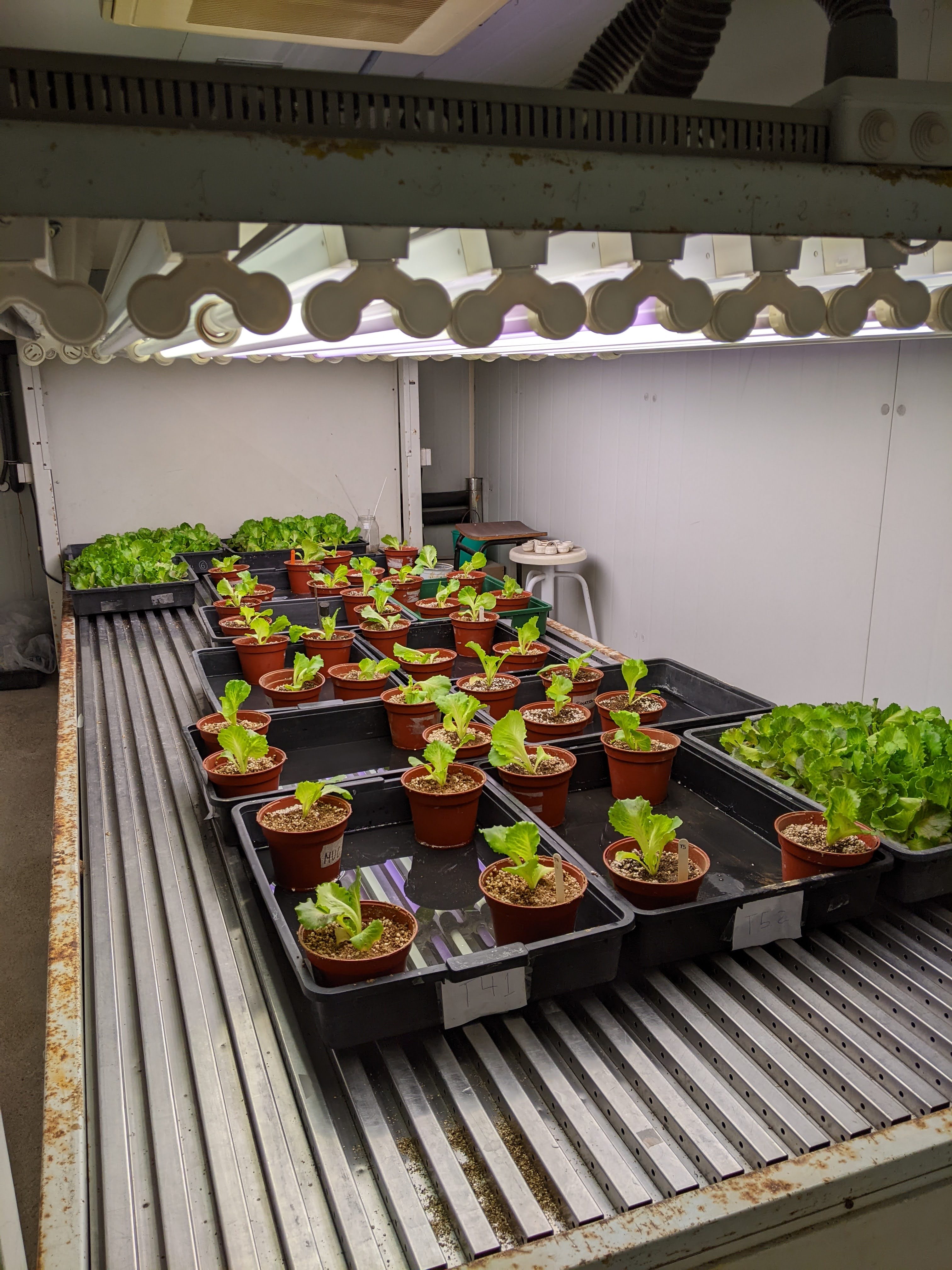
This study focuses on the physiological response of lettuce grown on Technosols designed for the remediation of soils polluted by potentially harmful elements (PHEs: As, Cd, Cu, Fe, Pb, and Zn). Lettuce plants were grown in five treatments: recovered (RS) and polluted soil (PS) as controls, and three Technosols (TO, TS, and TV) consisting of 60% PS mixed with 2% iron sludge, 20% marble sludge, and 18% organic wastes (TO: composted olive waste, TS: composted sewage sludge, and TV: vermicompost of garden waste). The main soil properties and PHE solubility were measured, together with physiological parameters related to phytotoxicity in lettuce such as growth, photosynthetic capacity, oxidative stress, and antioxidant defence. All Technosols improved unfavourable conditions of PS (i.e., neutralised acidity and enhanced OC content), leading to a significant decrease in Cd, Cu, and Zn mobility. Nevertheless, TV was the most effective as the reduction in PHEs mobility was higher. Furthermore, lettuce grown on TV and TO showed higher growth (+90% and +41%) than PS, while no increase in TS. However, lower oxidative stress and impact on photosynthetic rate occurred in all Technosols compared to PS (+344% TV, +157% TO, and +194% TS). This physiological response of lettuce proves that PHE phytotoxicity is reduced by Technosols. Thus, this ecotechnology constitutes a potential solution for soil remediation, with effectiveness of Technosols depending largely on its components.
This research is the result of a collaboration between the Departments of Soil Science and Agricultural Chemistry and Plant Physiology from the University of Granada, in the context of a Master’s thesis by Mateo González-Quero and my PhD, which is in fact one of the chapters of my doctoral thesis.
The article can be found at the following link:
 Antonio Aguilar-Garrido